Why is solar PV important?
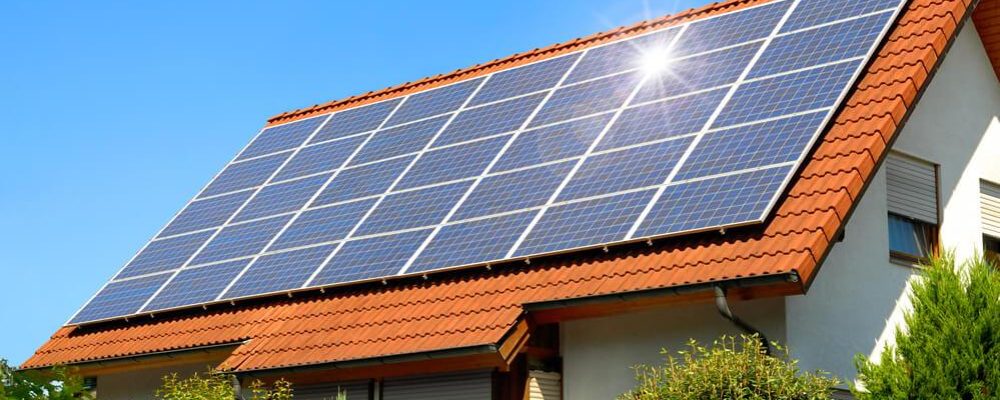
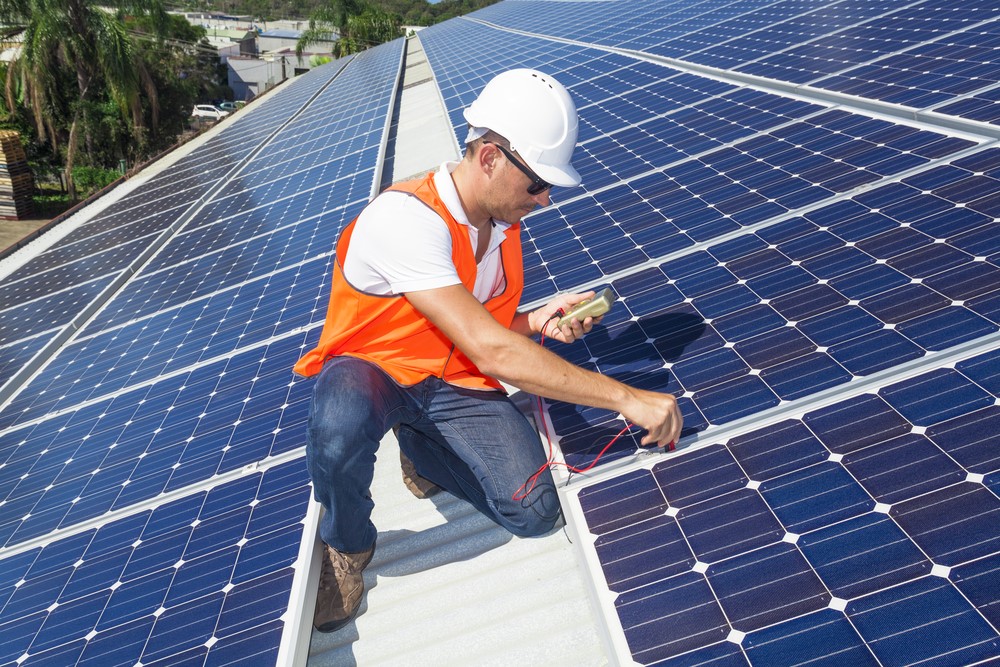
Solar photovoltaics (PV) is a very modular technology that can be manufactured in large plants, which creates economies of scale, but can also be deployed in very small quantities at a time. This allows for a wide range of applications, from small residential roof-top systems up to utility-scale power generation installations
What is the role of solar PV in clean energy transitions?
Even with rising commodity prices driving up investment costs, utility-scale solar PV remains the most affordable source of new electricity generation in most countries worldwide. At the same time, distributed solar PV — like rooftop systems — is expected to expand more quickly, supported by increasing retail electricity prices and stronger policy incentives.
Where do we need to go?
To align with the Net Zero Emissions by 2050 Scenario, the rapid growth in solar PV seen in recent years must not only continue but also accelerate, supported by sustained strong policy commitments.