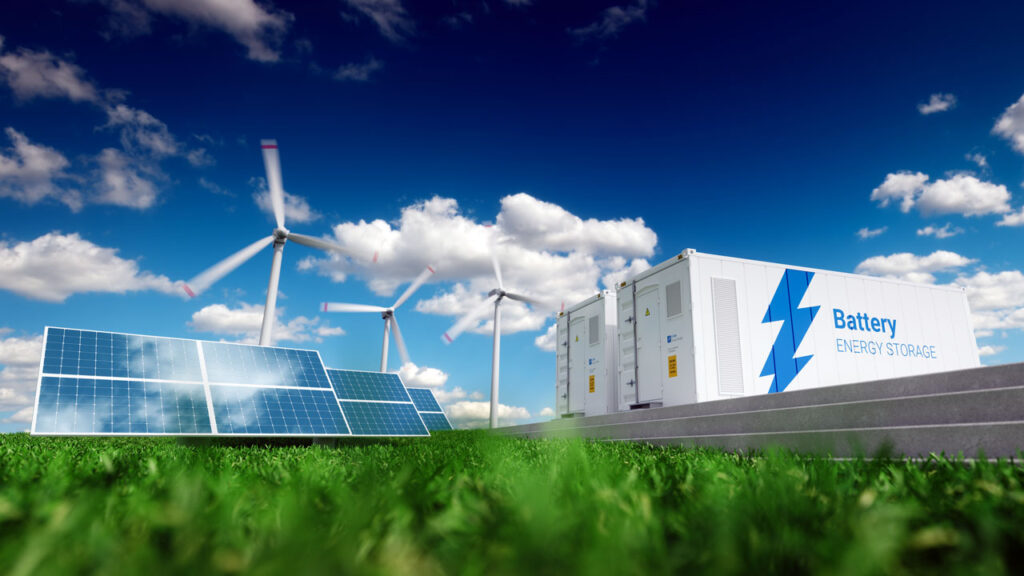
Why is energy storage important?
Energy storage ensures stability in power systems by storing excess electricity when supply is high and releasing it when demand peaks. It improves grid reliability, reduces blackouts, and supports greater use of renewable energy.
What role does energy storage play in clean energy transitions?
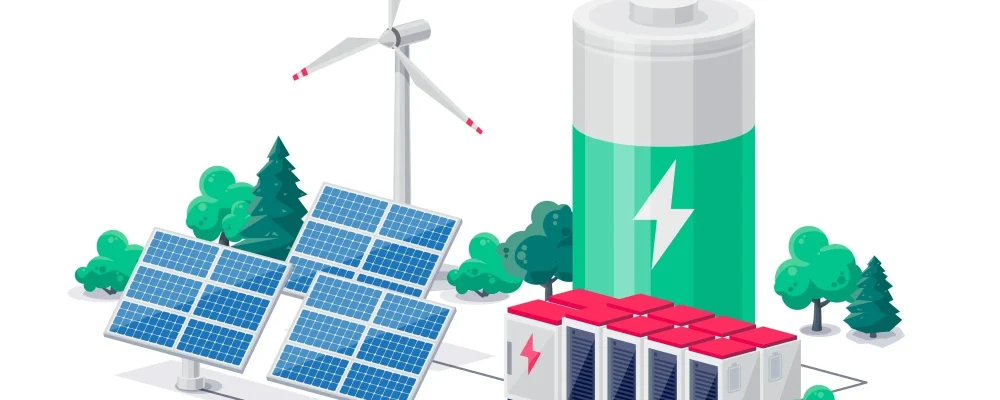
Storage technologies like batteries, pumped hydro, and thermal systems make renewable energy more dependable by addressing intermittency issues from solar and wind. They also help balance supply and demand, enable flexible grid operations, and support electrification in transport and industry.
Where do we need to go?
Scaling up storage requires rapid investment in advanced battery technologies, lowering costs, and deploying large-scale projects. Governments and businesses must focus on innovation, recycling, and supportive policies to ensure storage becomes a cornerstone of a resilient, net-zero energy system.
Latest findings
Energy storage is becoming essential for a clean and resilient power system
Global deployment of storage technologies is growing at record speed, with battery storage installations expected to multiply several times by 2030. Falling costs, driven by innovation in lithium-ion and emerging chemistries, are making storage more accessible.
Energy storage not only stabilizes grids but also maximizes the value of renewable energy, reduces curtailment, and strengthens energy security. By the end of this decade, storage will be critical in unlocking 24/7 clean power for households, businesses, and entire economies.